How to Choose Your First Glass Inkwell for a Home Desk
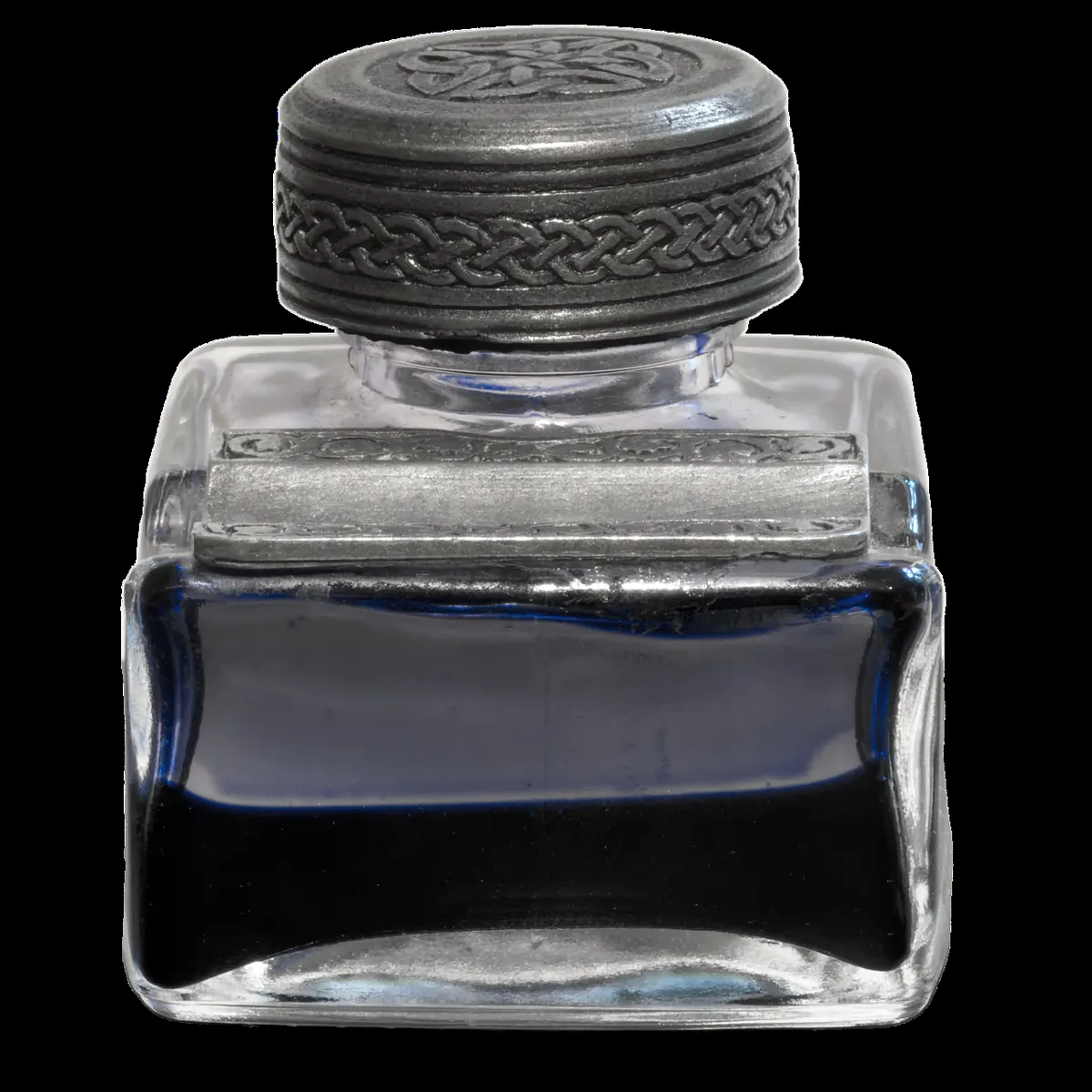
A glass inkwell is one of those small objects that quietly decides how pleasant a desk feels. Chosen well, it turns filling a pen or dipping a nib into a two-second habit you barely think about. Chosen badly, it becomes the thing you dread unscrewing: a lid that sticks, a base that skitters when your sleeve catches it, ink drying into a crust around a neck that is far too wide. None of that is expensive to avoid. You just need to know what you are looking at.
This guide is for the first purchase — the point where every inkwell in the shop looks handsome and you have no idea why one costs three times another. We will go through shapes, lids, capacity, and the small practical details that separate a well you use for years from one that ends up holding paperclips.
Glass inkwells fall into a handful of familiar forms, and each one nudges you toward a different kind of writing.
The lid matters more than the body, because you will open and close it far more often than you admire the glass. There are four types you will meet, and each has a small trade-off.
A screw cap in brass or a hard plastic seals well and travels safely, but ink collects in the threads. Wipe the threads with a damp cloth every week or two and it will never seize. A ground glass stopper is the most elegant answer and gives a good seal, though dried ink can make it stick; the habit of wiping the stopper before you replace it solves this almost entirely. A hinged lid with a soft gasket can be flipped open one-handed, which is exactly what you want with an inky dip pen in the other hand — check the gasket now and then, since it is the part that ages first. And a plain cork is charming, cheap and replaceable, but it will not hold a seal forever.
Whichever you pick, look for an inner lip or recess around the opening. That small detail catches the drip that runs down the inside of the lid and keeps it off your desk and your fingers.
A large inkwell looks generous and reassuring. In a home it is usually the wrong answer. Ink sitting in a well for months collects dust, slowly evaporates and thickens, and gives you more of it to spill. Think in three bands.
Small, roughly 15 to 25 ml. Ideal for accent colours you use occasionally, or for someone who refills a fountain pen once a week. You top it up from the main bottle and it never goes stale.
Medium, around 50 ml. The sweet spot for most desks. Enough for regular dip-pen sessions, small enough that the ink turns over in a reasonable time.
Large, 100 ml and up. Handsome and heavy, and worth it only if you write daily or keep several pens in rotation. Otherwise you are storing ink in the most exposed container in the house.
One more consideration: depth. A well that is broad and shallow becomes useless when it is a third full, because there is not enough ink to cover the nib. Some desk wells solve this with a tilted inner cup that keeps the ink pooled at one side. If you plan to use the well for years rather than replace it, that is a feature worth looking for.
Be honest about your routine, because it narrows the field fast.
If you mostly fill fountain pens, you want a wide mouth and a body you can see through, so you can watch the nib clear the ink. A cube or a wide-mouthed jar works; a narrow-necked decorative well will have you cursing by the third fill. If you use a dip pen or a calligraphy nib, reverse the priorities: a narrow neck, a lid you can open one-handed and a heavy base matter more than a wide opening. For occasional notes — a signature, a card, a quick label — a small screw-top well that lives in a drawer is perfect.
If you use pigmented or iron gall inks, keep them in a dedicated well rather than your best crystal. Iron gall inks are acidic and will stain glass over time; they are also unkind to metal fittings, so glass is the right material and a metal collar is the wrong one. Rinse the well promptly after use and do not leave those inks sitting in it for weeks.
Measure the spot before you buy, then subtract a little. You want about a hand's width of clear space around the well, so your sleeve does not sweep across it when you reach for the page. The best position is slightly behind and to the side of your writing hand, not directly in front of you where you will reach over it.
Weight is quiet insurance. A well with a thick base and a felt or cork pad stays put; a tall, light bottle-shaped well tips at the first careless nudge. Keep the inkwell out of long stretches of direct sunlight, which fades inks over time, and out of reach if there are small children or determined cats in the house. A hinged lid and a heavy base are your two best defences there.
Rinse the well with lukewarm water and a drop of washing-up liquid, then stand it upside down on a cloth to drain. Skip the dishwasher: heat and harsh detergent can cloud glass, and cut pieces can chip. For a ring of dried ink, soak rather than scrub, and keep abrasive pads away from polished or faceted surfaces. Empty a well you are not using for a few weeks and let it dry fully before putting it away — that single habit prevents most of the mess an inkwell can make.
Buy for the writing you actually do, add a lid you enjoy handling and a base that stays where it is put, and the inkwell disappears into the background of your desk — which is exactly what a good tool should do.
Photo: WolfBlur / Pixabay