Inkwell Care Checklist: Cleaning, Storing, and Refilling Without Stains
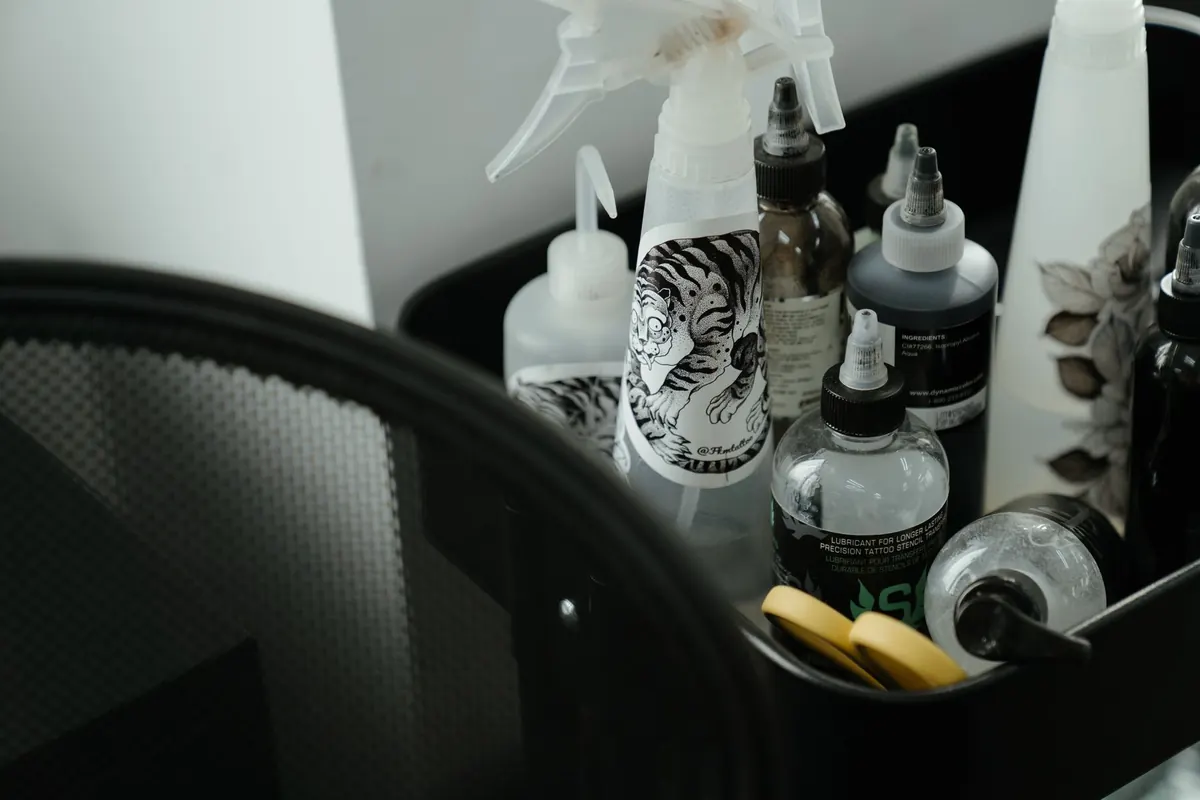
An inkwell is one of those small objects that rewards a little attention. Left alone for months, it collects dust, dried crust around the rim, and sometimes a film of sediment that finds its way into your nib. Handled carelessly, it tips, drips, or leaves a ring on the desk that outlasts the stationery it came with. Neither outcome is dramatic, but both are avoidable with a handful of habits that take less time than making a cup of tea.
What follows is a working checklist rather than a set of rigid rules. Glass, ceramic, brass, and modern plastic inkwells each behave a little differently, and the ink you keep inside matters just as much as the vessel. Read the parts that apply to your setup, then keep them in mind the next time you sit down to write.
Before reaching for water or cloths, identify what sits on your desk. A traditional glass inkwell with a ground-glass stopper is designed to seal tightly and can usually be rinsed and dried without fuss. Ceramic wells with cork or bakelite lids are more porous and less forgiving of soaking. Brass and metal inkwells often have a separate glass insert, and the outer shell should never be filled directly.
The most useful distinction is between the well and its insert. If your inkwell has a removable liner, take it out. Cleaning becomes simpler, drying is faster, and you avoid trapping moisture inside a housing that may be lined with felt or leather.
Skip abrasive powders and scouring pads. They scratch glass and dull glazed ceramic, and scratches give pigment somewhere to settle permanently.
You do not need to clean an inkwell every week. What matters is emptying it before sediment builds up and washing it whenever you change ink colour or leave it unused for a season. A workable rhythm is to inspect the well each time you refill, and to give it a proper wash every two or three months if you write regularly.
Stains on cloth or skin respond best to promptness. Blot rather than rub, and treat the mark before it dries. For fabrics you care about, check the care label and test any cleaning product on a hidden seam first; if the item is valuable, ask a professional cleaner rather than experimenting.
Ink is a simple product with simple enemies: light, heat, air, and contamination. Keep bottles closed, upright, and out of direct sun. A closed drawer or the inside of a cupboard is ideal. A windowsill is not, however attractive the bottles look there.
Temperature swings do more damage than a steady cool room. Kitchens and bathrooms are poor choices because of steam and humidity; a bedroom shelf or a study cupboard is better. If you keep a large collection, store bottles in a shallow box so they cannot knock against each other, and keep the box low rather than on a high shelf.
If you notice mould, a sour smell, or stringy texture in a bottle, discard it and clean anything it touched. Cross-contamination from an old bottle can spoil a new one quickly.
Most ink accidents happen in the ninety seconds of refilling, not during writing. The fix is preparation and a slower pace. Clear a space roughly the size of a sheet of paper, put down a paper towel, and have your cloth already in hand rather than reaching for it mid-pour.
Fill the well to roughly two-thirds. A full inkwell looks satisfying but sloshes when the nib goes in, and the excess lands on the neck, the threads, and your fingers. Two-thirds gives you room to dip at a shallow angle without overflow.
If a spill happens, resist the urge to wipe it across the surface. Press a paper towel straight down, lift, and repeat with a clean section. Work from the outside of the spill inward. On wood, deal with it immediately and avoid soaking the finish; on fabric, blot and treat. For anything of real value, a professional is cheaper than a repair.
Keep a dedicated cloth near the inkwell and wash it separately from laundry you care about. Wipe the nib before and after writing, not just at the end of a session. Close the lid whenever you pause for more than a few minutes, since dust settles faster than you would expect. And when you finish a writing session, cap the well, put the bottle away, and check the desk surface with the flat of your hand for stray specks before you set down a notebook.
It also helps to keep ink handling away from food and drink, and to wash hands after refilling even if nothing seems to have touched them. Ink marks under a fingernail have a way of appearing only after you have picked up something white.
Once a month, take five minutes. Look at the ink level and the ink's appearance. Sniff the bottle briefly, check the rim for crust, and confirm the lid still seals. Wipe the outside of the well, and check the shelf for any leakage from neighbouring bottles. If you keep several inks, rotate the ones you use least so nothing sits untouched for years.
That is the whole discipline: empty before sediment sets, rinse until the water runs clear, dry fully, fill to two-thirds, and keep everything away from light and heat. None of it is fiddly, and all of it keeps your inkwell ready the moment you want to write.
Photo: cottonbro studio / Pexels
Previous Post
How to Choose Your First Glass Inkwell for a Home Desk
Next Post
Fountain Pen Ink vs. Dip Pen Ink: What Works in Which Well?